
Vehicles Returned From Off-Road Positions
Winch-Out and Vehicle Recovery in Jasper for Cars and Trucks Stuck in Mud, Ditches, and Embankments
Vehicles slide off roadways during wet conditions, lose traction on unpaved surfaces, or become trapped in ditches and embankments where standard driving cannot free them. Trinity Towing uses powerful winching equipment to pull vehicles back onto stable ground without causing drivetrain damage or body panel deformation. Recovery operations handle vehicles stuck in mud, lodged against terrain features, or positioned at angles where wheels cannot gain traction, which is common along rural roads and mountain routes in Jasper where shoulders slope steeply and drainage patterns create soft ground.
Winch-out operations involve anchoring the tow vehicle or rigging to fixed objects, calculating pull angles that avoid frame stress, and applying steady tension to extract the stuck vehicle without jolting suspension components or snapping cables under load.
Arrange an on-site winch-out assessment to evaluate terrain conditions and determine the safest extraction approach for your vehicle's position.
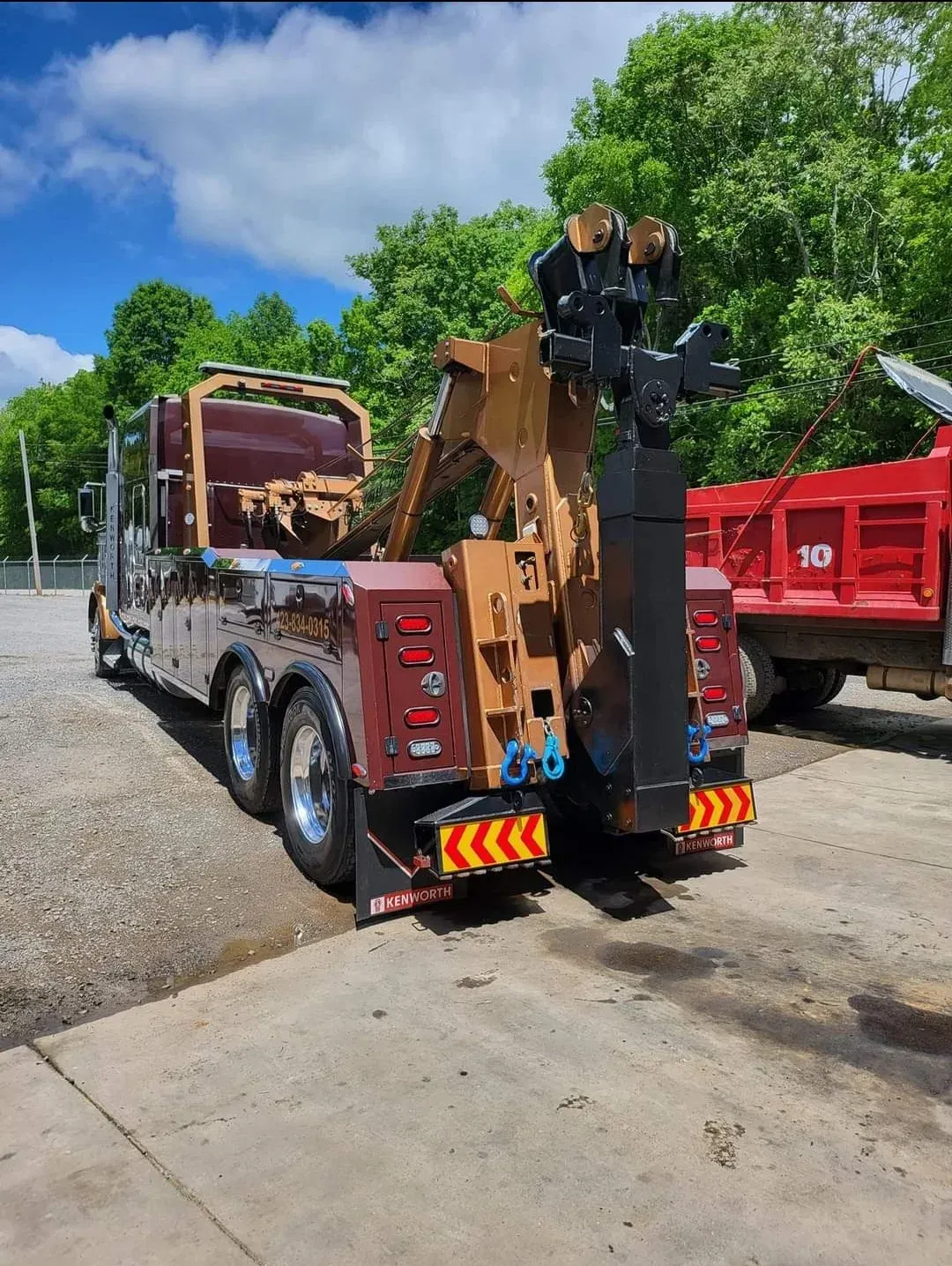
What You Notice Once Winch Recovery Is Finished
Operators position the recovery vehicle to create a straight or angled pull path, attach winch cables or straps to the stuck vehicle's frame or tow points, and apply controlled tension that gradually moves the vehicle onto solid ground. The process accounts for mud resistance, slope angles, and obstacles like trees or rocks that affect cable routing and anchor placement.
After the vehicle is extracted, it sits on stable roadway or level ground where you can safely re-enter, wheels regain traction, and no visible damage appears from the recovery process itself. The vehicle can either be driven away if mechanically sound or loaded onto a flatbed if the incident caused undercarriage or axle damage.
Winch recovery does not repair mechanical failures or body damage that occurred before or during the incident. If your vehicle was stuck due to a breakdown rather than terrain alone, additional towing to a repair facility may be necessary after extraction.
Common Questions About Winch Recovery
Vehicles become stuck in a variety of off-road situations, and understanding winch-out capabilities helps drivers know when professional recovery is needed versus attempting self-extraction.
What types of terrain can winching handle?
Recovery equipment pulls vehicles from mud, ditches, embankments, soft shoulders, creek beds, and off-road positions where wheels have lost all traction or the undercarriage rests on obstacles.
How is the vehicle attached during winching?
Operators use frame-mounted tow points, axle attachments, or reinforced body locations depending on the vehicle's position and what structural points remain accessible without causing additional damage.
When is winching safer than attempting to drive out?
Professional winching is necessary when wheels spin without gaining traction, the vehicle rests at an unsafe angle, or further driving risks transmission damage, differential strain, or deeper entrenchment in soft ground.
What happens if the vehicle is stuck in a location without nearby anchor points in Jasper?
Tow vehicles can serve as mobile anchors on stable ground, or portable ground anchors and rigging equipment create attachment points where natural features like trees or rocks are unavailable.
How long does a typical winch-out take?
Most extractions complete within thirty minutes to one hour, though recovery time increases if the vehicle is deeply entrenched, positioned on steep slopes, or surrounded by obstacles requiring careful cable routing.
Trinity Towing operates winching equipment designed for challenging terrain and off-road vehicle positions throughout Jasper and surrounding areas. Call (727) 947-0771 when your vehicle is stuck and cannot be safely driven back onto the roadway.